
Back to feed
Culture
A Century of Trams, Dalian's Urban Echo: Riding Line 201 to Dongguan Street's Old-New Charm
Reporter 王子龙
On September 17, the 2026 "Chasing the Chinese Dream, Discovering Liaoning" overseas Chinese-language media delegation traveled to Dalian to ride Tram Line 201, hailed as "the only century-old tram system on the Chinese mainland to have run continuously without interruption." A cultural docent from the Dalian Tram Branch Company told the delegation that Northeast China's first tram system was born in Dalian on September 25, 1909, when a 2.45-kilometre line linking the Electric Amusement Park and the Great Pier opened — and trams have been woven into daily life in Dalian ever since.
The docent explained that on October 1, 1951, China's first domestically designed and built tram, the Type 1000 "Success," rolled off the line at the Dalian Tram Factory as a tribute marking the second anniversary of the People's Republic — news that reached Chairman Mao the same day and made headlines nationwide. The model went on to be mass-produced in 122 units, with 26 running in Dalian and the rest sent to support Anshan, Changchun and Harbin, making it the highest-volume tram model in Chinese history. The Dalian Tram Factory went on to notch a string of national firsts — the country's first tram in 1951, first bus in 1952, first trolleybus in 1953 — and on October 17, 2025, "Dalian Transportation Company Tram Factory" was named to China's seventh batch of National Industrial Heritage sites, becoming the country's first urban rail transit site to receive that designation.
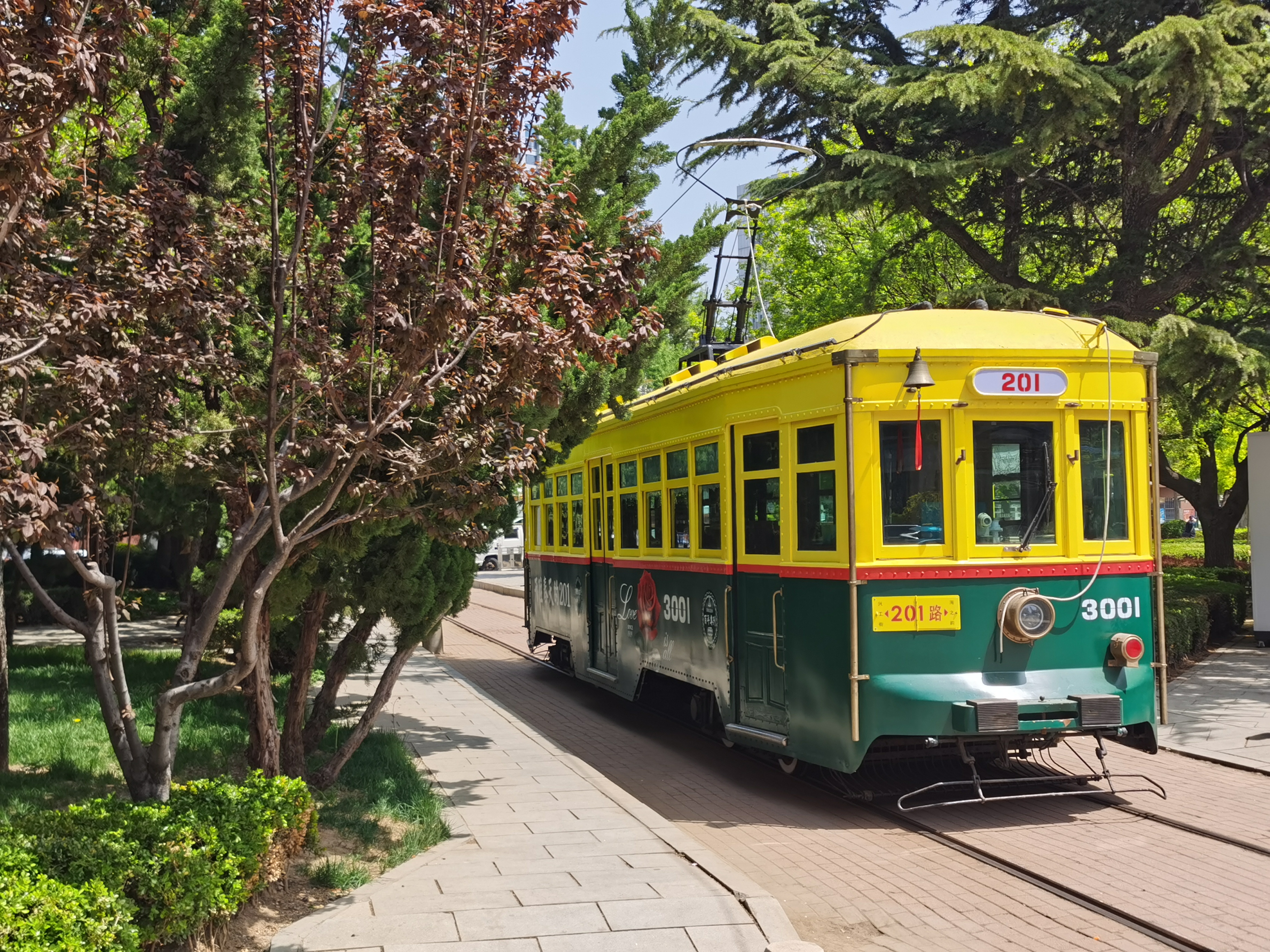
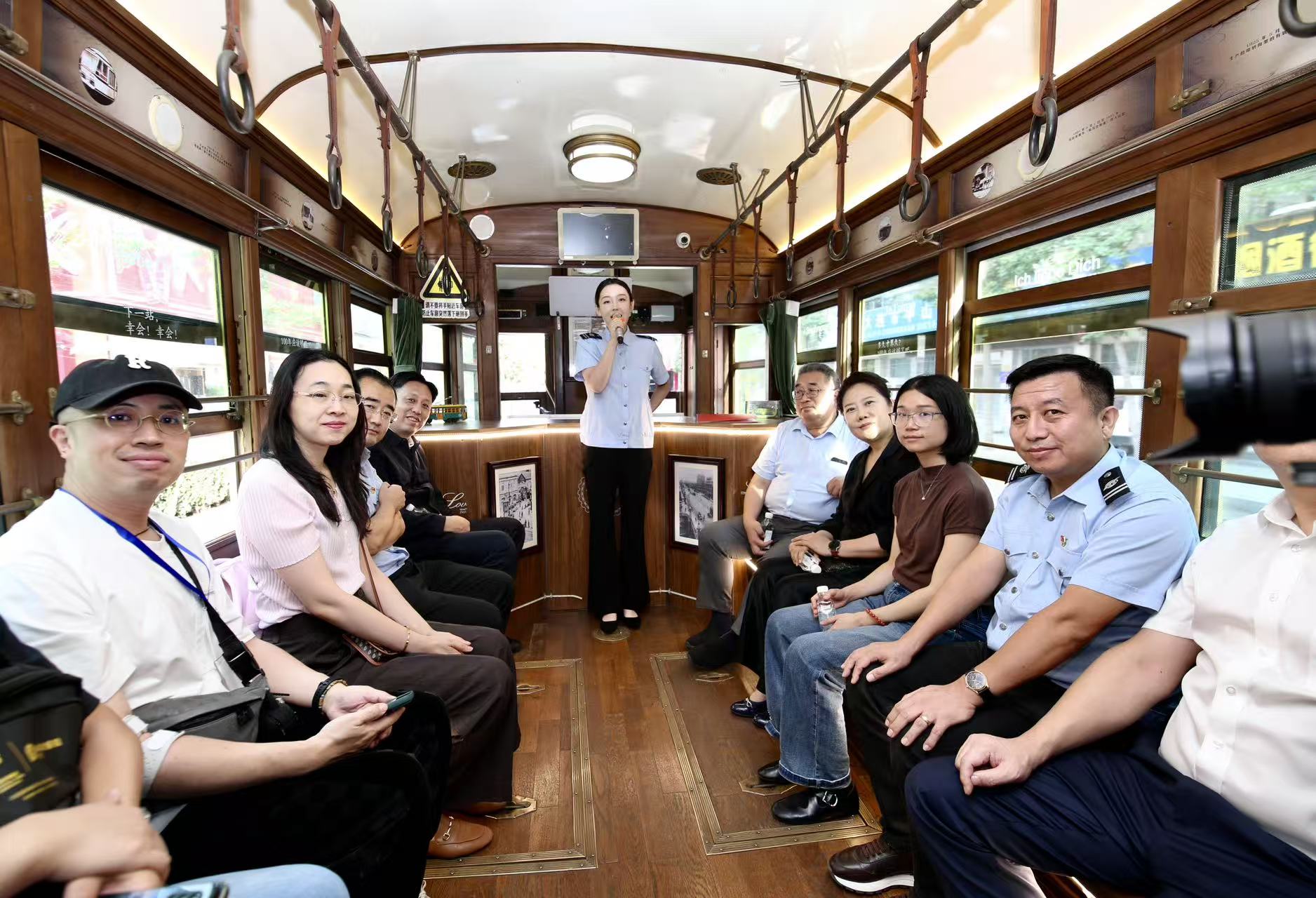
The delegation then boarded a DL3000-series tram still in active service — cars built in the 1930s that have now been running continuously for more than 90 years, effectively "living artifacts." Inside, the original wooden frame still stands, and the control lever in the driver's cab has been worn smooth by generations of operators' hands; a bell on the front of the car chimes with a crisp "ding-ding" on every turn, earning Dalian's trams the affectionate nickname "ding-ding cars."
According to the docent, Line 201 today is more than a transit route — it has been developed into a "historical and cultural corridor," running from Xinggong Street to Sea of Rhyme Park and linking core landmarks including the Dongguan Street historic district, Dalian Railway Station and Democracy Square. The Dalian Tram Branch Company has built on the system's century of heritage to create a "Century of Tram Time Travel" themed route, recognized as a Dalian cultural-tourism integration demonstration project, and has rolled out limited-edition cars such as "Light and Shadow Tram" and "Winter Fairy Tale Express"; a "Galloping to Success" Lunar New Year train decorated with red lanterns, fu characters and Year-of-the-Horse paper cuttings for the 2026 Spring Festival has helped turn the century-old system into one of Dalian's signature cultural-tourism draws.
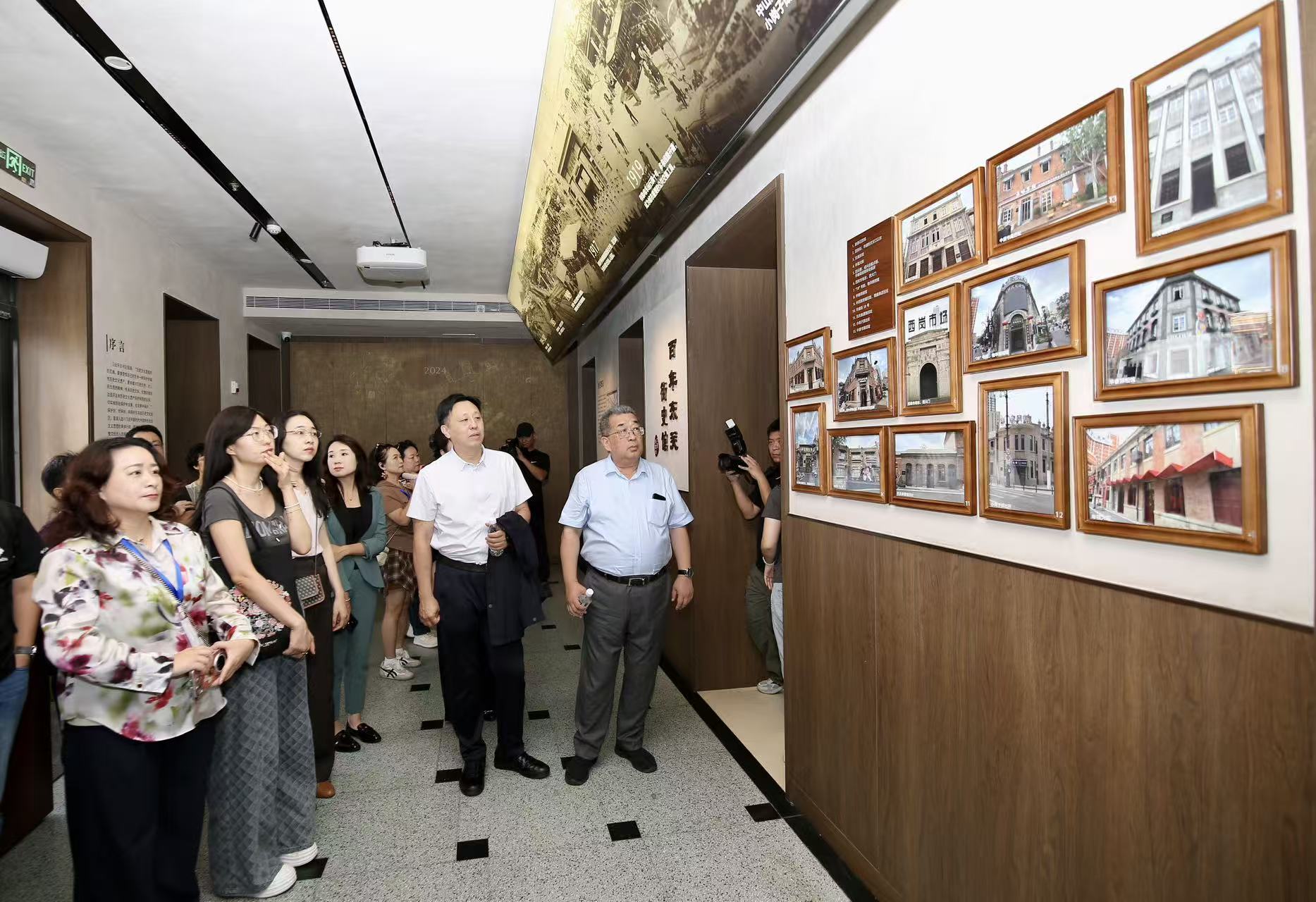
Riding Line 201 further along its route, the delegation stepped off at the Dongguan Street historic and cultural district. Dongguan Street is one of Dalian's oldest neighborhoods, dating back to the city's earliest days as a treaty port, and it bears witness to Dalian's transformation from a small fishing town into a modern port city: European-style buildings and Dalian's distinctive courtyard-style "liyuan" tenements stand side by side along its century-old street grid. An on-site history exhibition hall lays out, through old photographs and text, more than a dozen century-old buildings still preserved in the district today, carrying the everyday memories of generations of Dalian residents.
Today, Dongguan Street has been given a protective makeover that preserves its century-old building facades and street layout while weaving in cafes, local snack vendors, handicraft shops and nighttime lighting installations, turning it into a favorite "trending old street" for young locals and tourists alike. Tucked inside a century-old red-brick building is "People's Cafe"; "Blanc Rabbit's Botanical Manor" dresses its windows in an Alice-in-Wonderland theme; long lines form outside century-old heritage brand "Yichangning" for its Dalian sea-urchin pastries; and the smell of grilled skewers and hot dogs drifts through the "Wandering Market" food stalls. As the delegation wandered through, whitewashed walls and grey tiles played off neon signage, and the street's weathered character mixed with its everyday bustle and contemporary flair — letting visitors, to the tram's familiar "ding-ding," feel the city's distinctive blend of old and new.

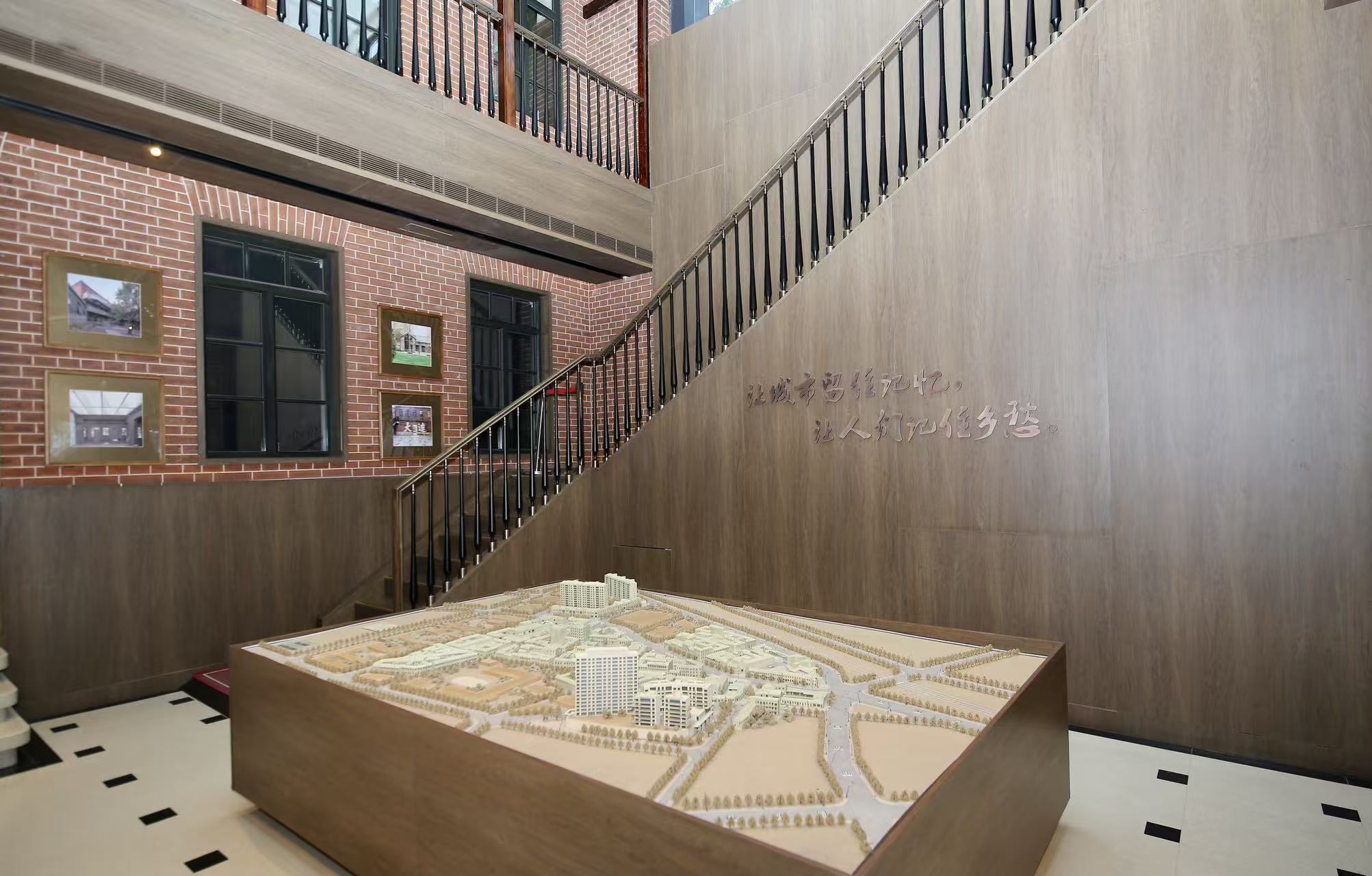
The company has also used the century-old trams as a platform for "civics lessons on board," inviting primary and secondary school students to ride the cars and hear stories of Lei Feng connected to the tram system, blending industrial-heritage education, local culture and patriotic education. From its first whistle in 1909 to today's cultural-tourism specials, Dalian's century-old tram system continues to run in step with the city, carrying visitors from near and far through its streets while telling its own distinctive story. As a line displayed inside Dongguan Street's own exhibition hall puts it, "let the city keep its memories, let people remember their nostalgia" — the century-old reunion of tram and old street is itself a vivid footnote to how Dalian holds onto its urban memory and tells its own story of nostalgia.
