Back to feed
Society
7th Overseas Chinese New Media Sub-Forum Explores New Paths for Luban Workshops and Vocational Education Going Global
Source: People's Daily Overseas Edition
Photo: The scene at the 7th Overseas Chinese New Media Sub-Forum. Overseas Network, photo by Xie Ming
Overseas Network, October 14 — The 7th Overseas Chinese New Media Forum, hosted by the Overseas Edition of People's Daily and organized by People's Daily Overseas Network and Tianjin Haihe Media Center, was held in Tianjin on October 14. At the sub-forum themed “Luban Workshops: Practice and Exploration of Vocational Education Going Global,” heads of institutions, overseas Chinese media representatives and international students shared experience and engaged in lively exchanges, from skills education that “teaches how to fish,” to jointly building mutually recognized standards, to heartwarming China-foreign exchanges.
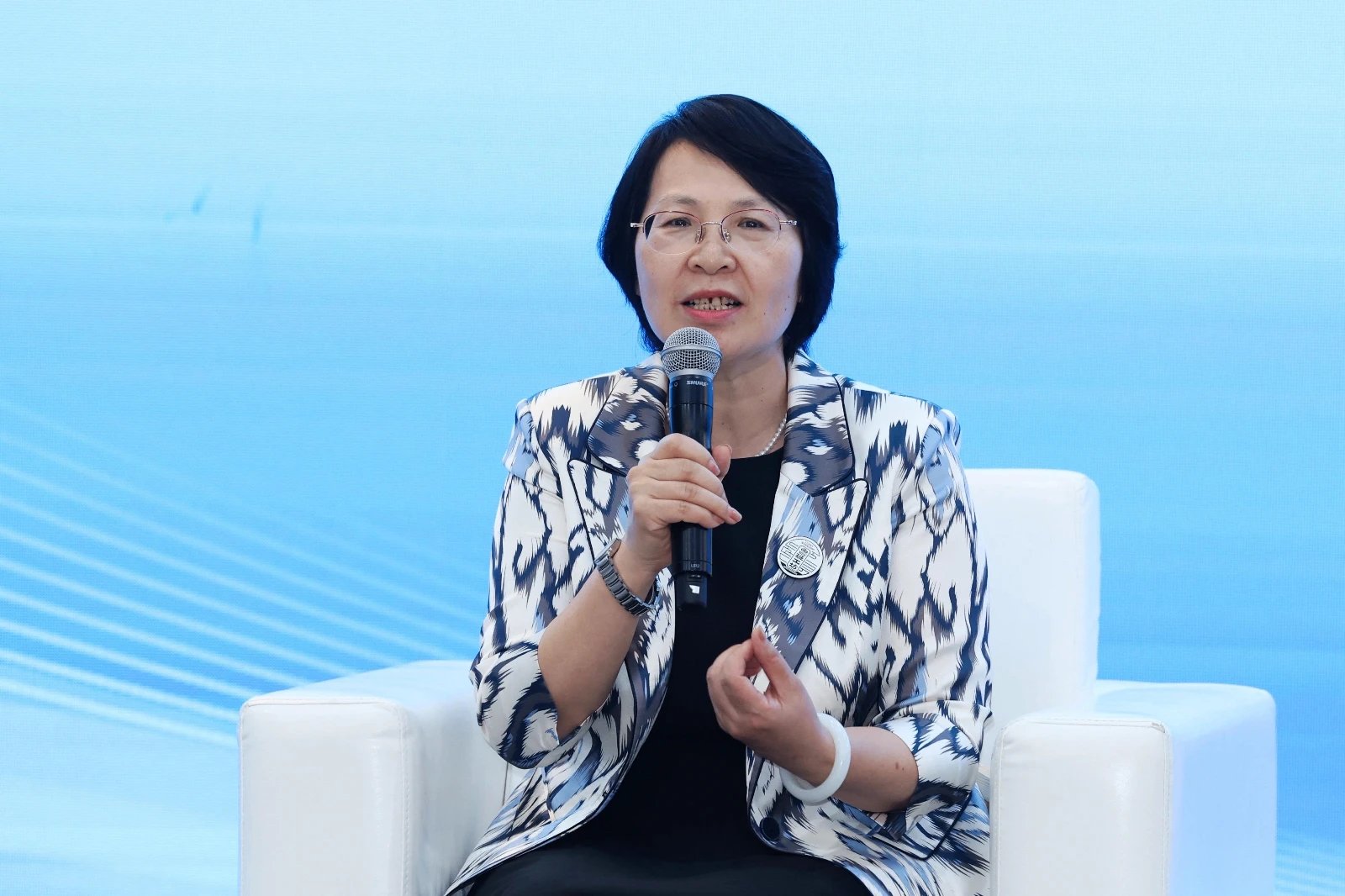
Photo: Li Yunmei, Party secretary of Tianjin Light Industry Vocational Technical College, speaks at the Overseas Chinese New Media Sub-Forum. Overseas Network, photo by Xie Ming
From “going out” to “taking root,” from a “skills station” to a “bond between peoples,” the Luban Workshops’ exploration has long gone beyond simple skills export. Li Yunmei, Party secretary of Tianjin Light Industry Vocational Technical College, said the Luban Workshop in Egypt links Chinese and Egyptian institutions, industrial parks and quality enterprises to go global together. Anchored in the industrial development needs of the China-Egypt TEDA Suez Economic and Trade Cooperation Zone, it has pioneered an Egyptian “one country, two workshops” layout and established a “school-enterprise-park collaboration” model. Broadly, it starts from Egypt’s own development and systematically improves five key elements — program offerings, curriculum system, bilingual textbooks, teaching staff and training bases — to bring the EPIP modern vocational teaching philosophy deeply into Egyptian classrooms. “A Luban Workshop is both a skills station that passes on craft, and even more a bond between peoples that builds cultural understanding and serves major-country diplomacy,” Li Yunmei said.
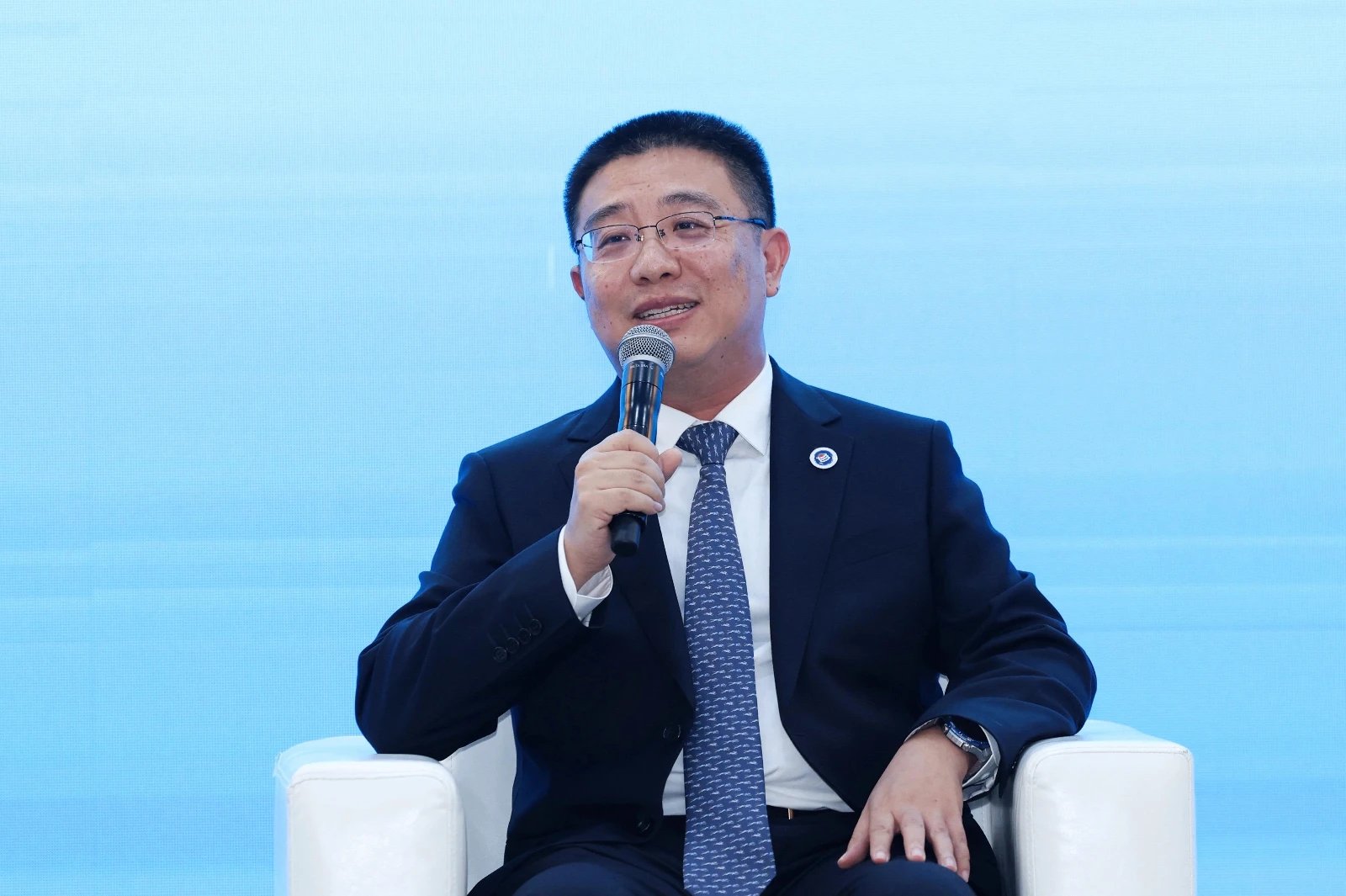
Photo: Kang Ning, Party secretary of Tianjin Modern Vocational Technology College, speaks at the Overseas Chinese New Media Sub-Forum. Overseas Network, photo by Xie Ming
Luban Workshops in many countries are now adapting to local conditions and playing to their own strengths. Kang Ning, Party secretary of Tianjin Modern Vocational Technology College, said the Luban Workshop in Pakistan is based in Punjab, Pakistan’s largest province, and centered on the provincial capital and industrial city of Lahore to serve the talent pipeline for Pakistan’s industrial modernization; it also reaches out to the agricultural city of Multan to support the transformation and upgrading of Pakistan’s agricultural mechanization, producing what is described as a “one province, two cities, dual functions” result. The Luban Workshop’s “Industrial Automation and Robotics” course in Pakistan has also been incorporated into Pakistan’s technical and vocational education system. “The Luban Workshops going global is not only vocational education going global, but also an important window for telling China’s story and spreading a friendly voice,” Kang Ning said.
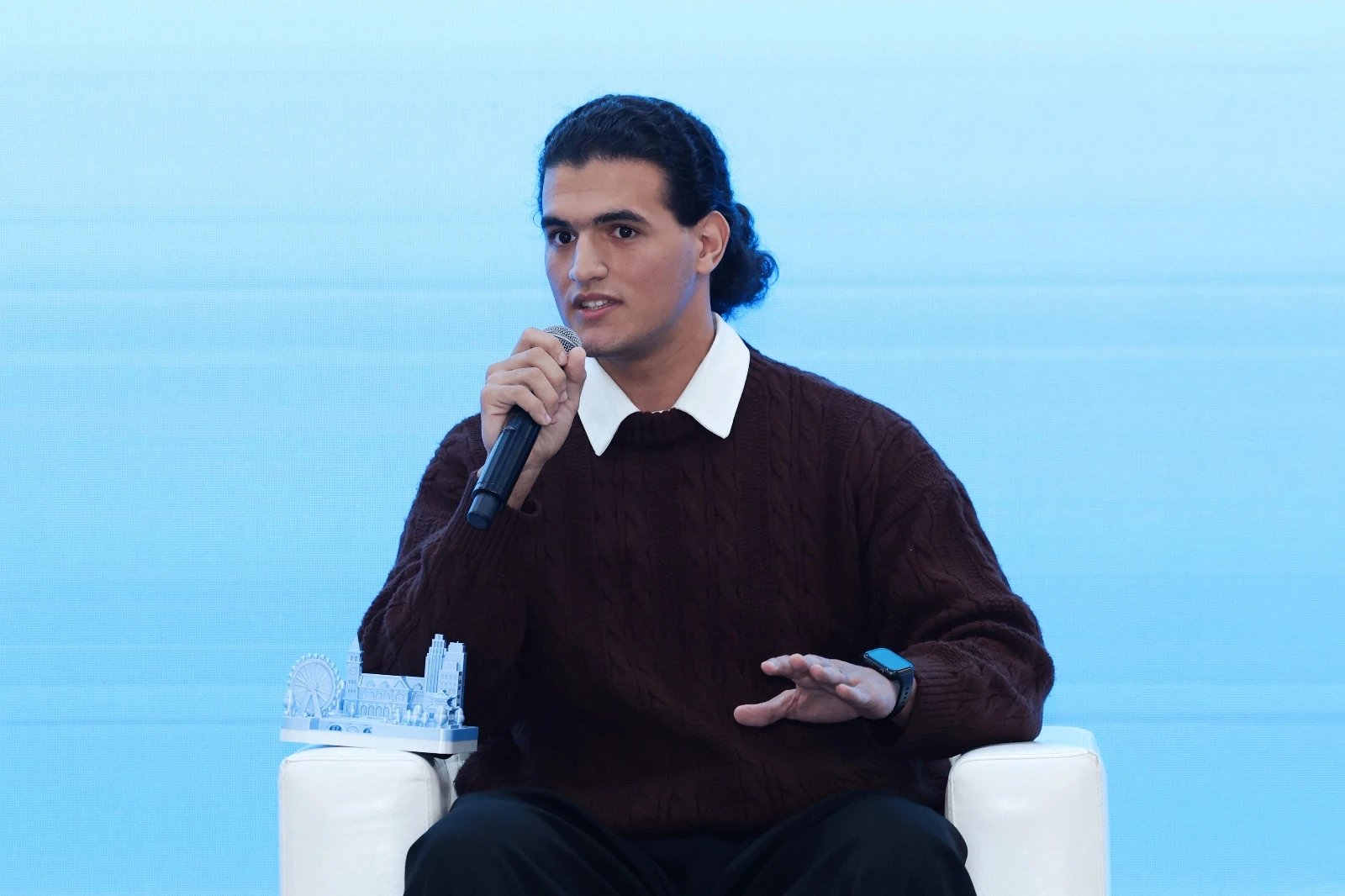
Photo: Xiaoming, a graduate of the Luban Workshop in Egypt, speaks at the Overseas Chinese New Media Sub-Forum. Overseas Network, photo by Xie Ming
How effective is China-foreign vocational education cooperation? The growth of young students is the most convincing proof. Thanks to the international talent-cultivation platform built by the Luban Workshops, many overseas students have crossed mountains and seas to advance their studies, changed the course of their lives through honing their skills, and become firsthand witnesses and ambassadors of China-foreign friendship. Xiaoming, an outstanding graduate of the Luban Workshop in Egypt, is a typical example. He first studied CNC technology systematically at the Luban Workshop in Egypt, then came to Tianjin Light Industry Vocational Technical College in China for further study, and after finishing his higher vocational studies went on to a bachelor’s degree at Tianjin University of Technology and Education — growing all the way from skills learning to systematic advanced study. “At the Luban Workshop, the teachers don’t just teach from books; they take us to operate the equipment and learn through projects. And it was at the Luban Workshop that I firmly resolved to take the path of success through skills,” Xiaoming said. “I hope to bring the advanced technology and skills I learned in China back to Egypt and share them with more Arab countries, to help more young people realize their value in life through skills.”
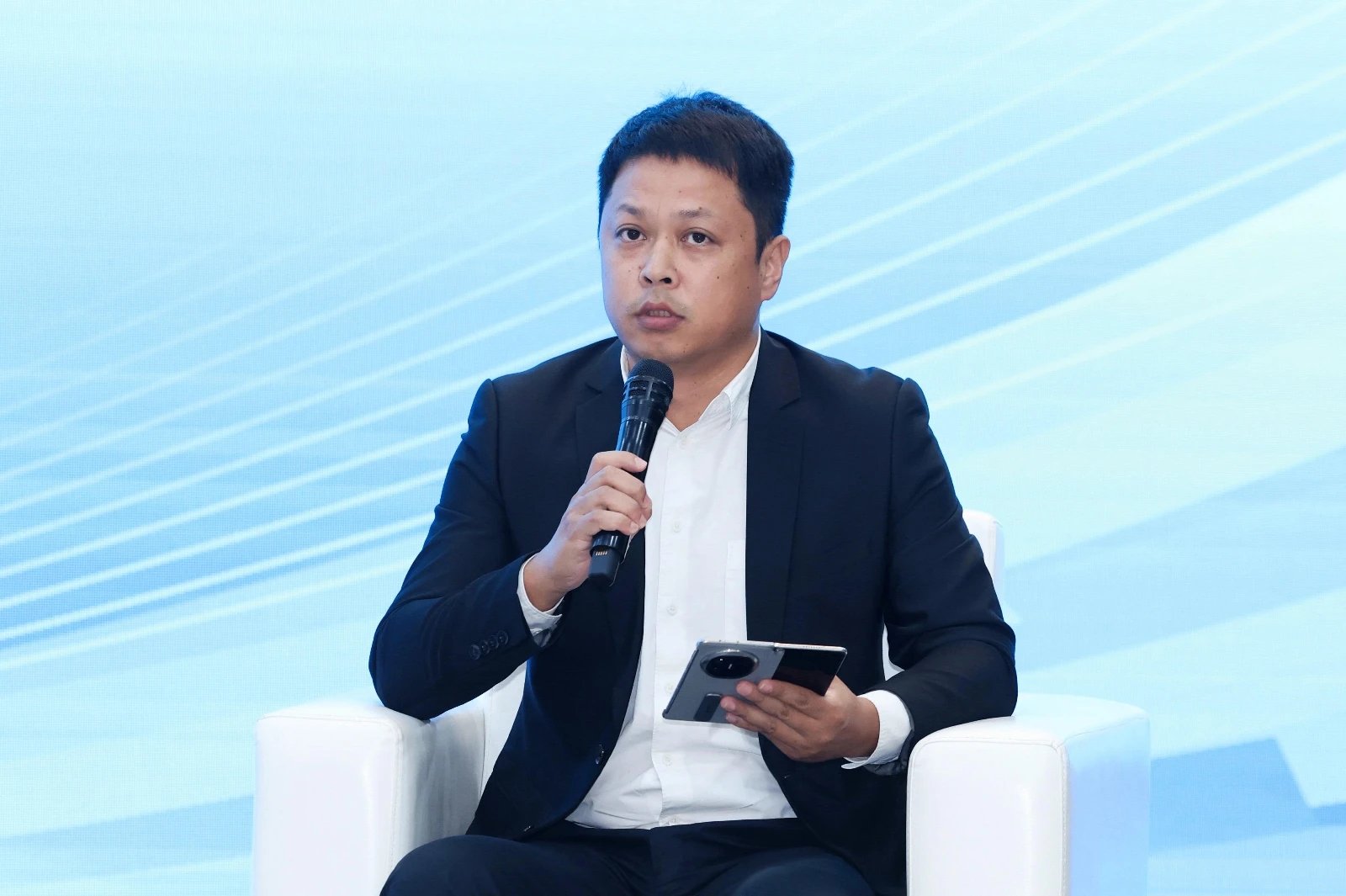
Photo: Yin Jie, deputy publisher of Egypt’s China Weekly, speaks at the Overseas Chinese New Media Sub-Forum. Overseas Network, photo by Xie Ming
Cooperation must “go out,” and the stories must even more “spread.” Overseas Chinese-language media play an important role in helping local society understand the results of vocational education cooperation. “True international cooperation is not about making the other side become ‘us,’ but about finding, on the basis of mutual respect, ways to solve local problems together,” said Yin Jie, deputy publisher of Egypt’s China Weekly, who noted that the value of the Luban Workshops lies in drawing on local education, industry and culture. The Luban Workshop in Egypt, for instance, is built on Chinese experience but oriented toward Egyptian needs, with joint construction and joint adjustment. In Yin Jie’s view, “to be a bridge, media must make reporting true, concrete and warm, and tell more people about the real changes in China-foreign vocational education cooperation.”
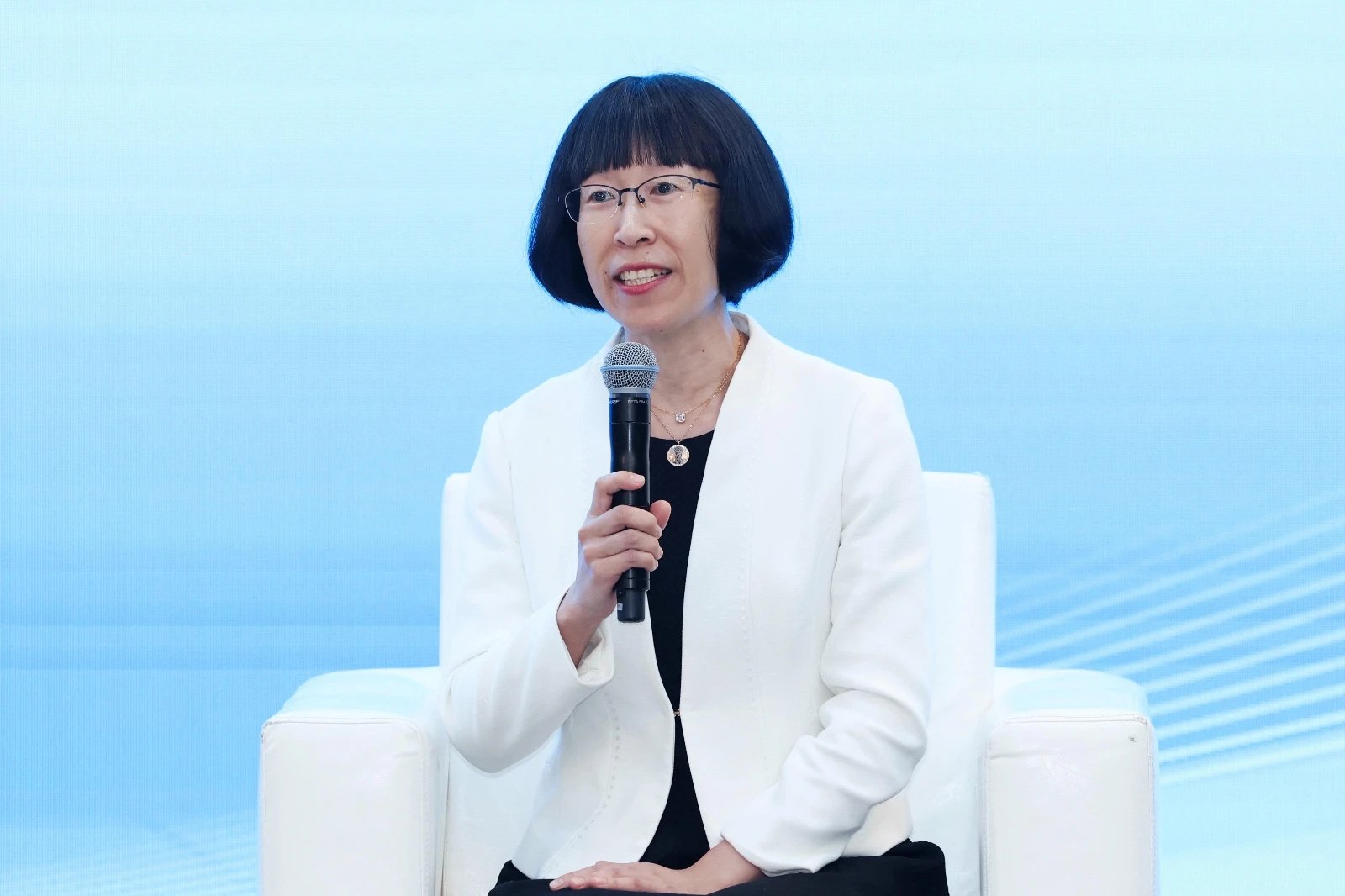
Photo: Weng Yue, fourth-generation heir of Darentang, speaks at the Overseas Chinese New Media Sub-Forum. Overseas Network, photo by Xie Ming
Vocational education going global is both the sharing of modern technology and the spread overseas of China’s fine traditional culture. At the forum, Weng Yue, fourth-generation heir of the time-honored Darentang, drew on the brand’s experience of taking traditional Chinese medicine abroad to share lessons on passing on and innovating traditional craft and on international communication. “Throughout the thousands of years that traditional Chinese medicine has developed, skills have almost always been passed on through ‘master-apprentice transmission.’ Even if students master professional knowledge at school, in actual work they still need a master to lead the practice and teach by word of mouth — especially in positions such as identifying medicinal materials and making medicine, which cannot do without the experience passed on by veteran masters,” Weng Yue said. To popularize knowledge of traditional Chinese medicine, Darentang has also invited teachers, students and international students to visit its Traditional Chinese Medicine Culture Museum and run programs that bring traditional Chinese medicine onto campuses, so that more people at home and abroad can learn about traditional Chinese medicine culture.
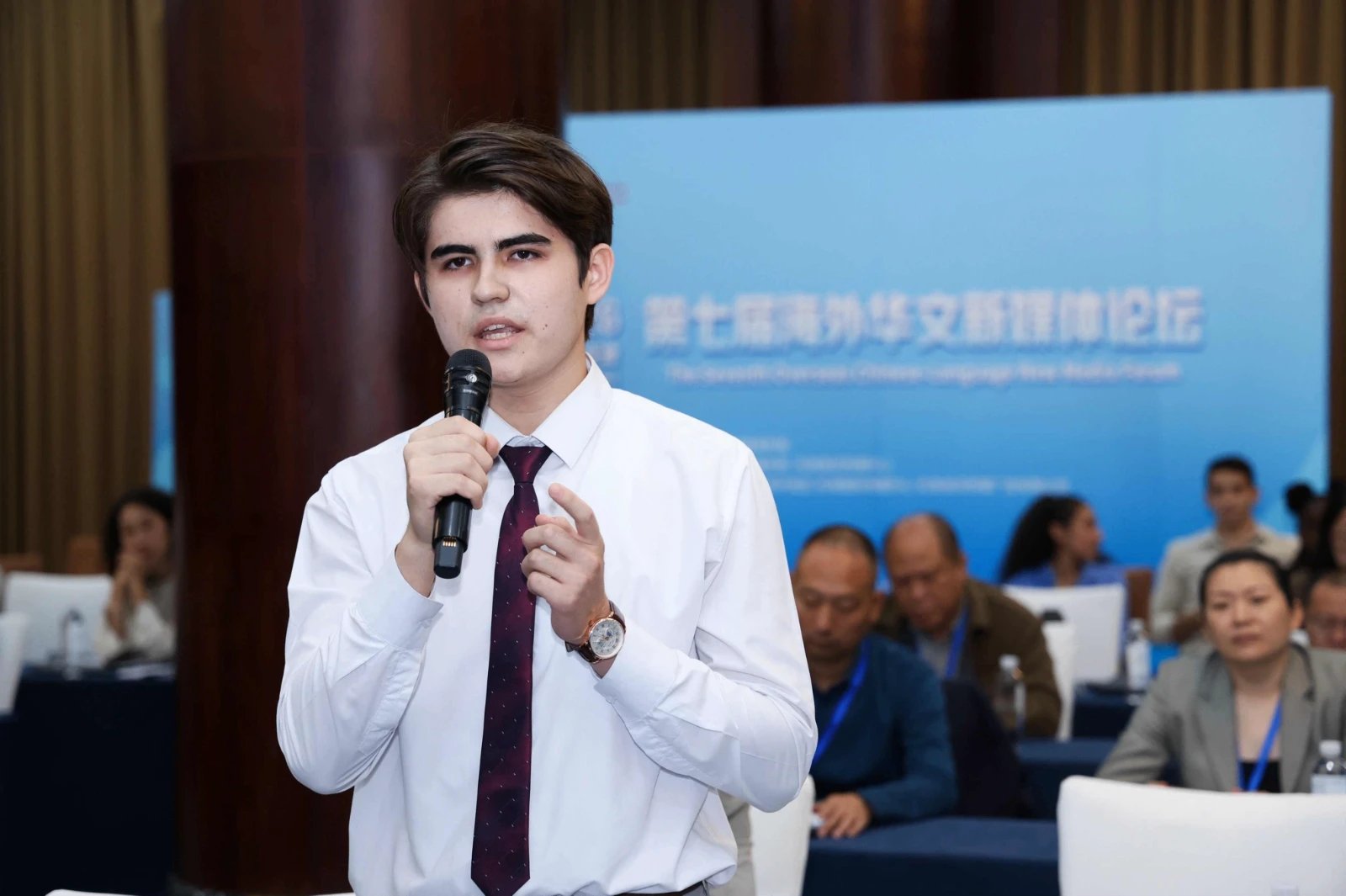
Photo: Li Chenglong, an international student from Tajikistan, speaks during the interactive session of the Overseas Chinese New Media Sub-Forum. Overseas Network, photo by Xie Ming
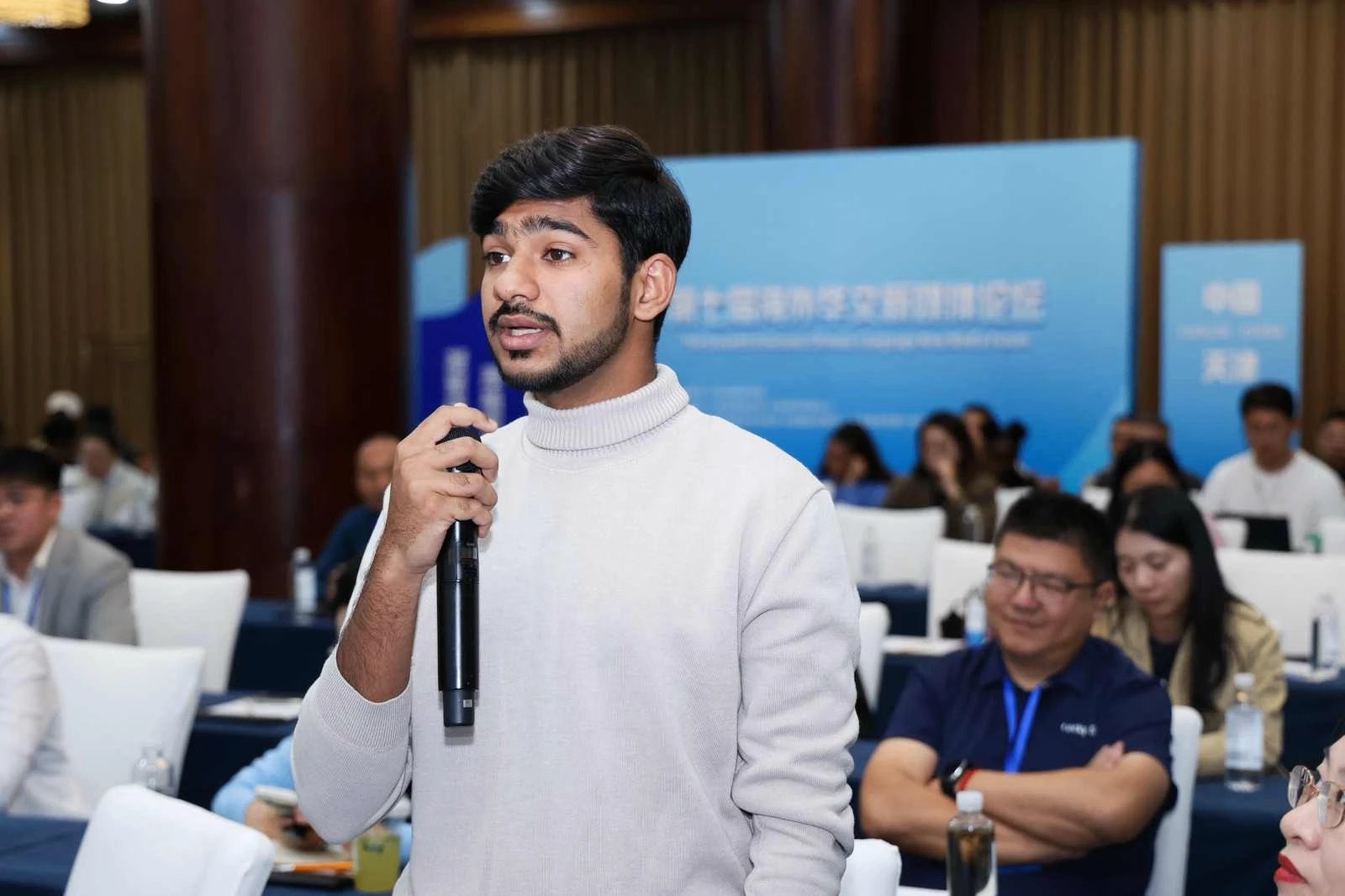
Photo: An Li, an international student from Pakistan, speaks during the interactive session of the Overseas Chinese New Media Sub-Forum. Overseas Network, photo by Xie Ming
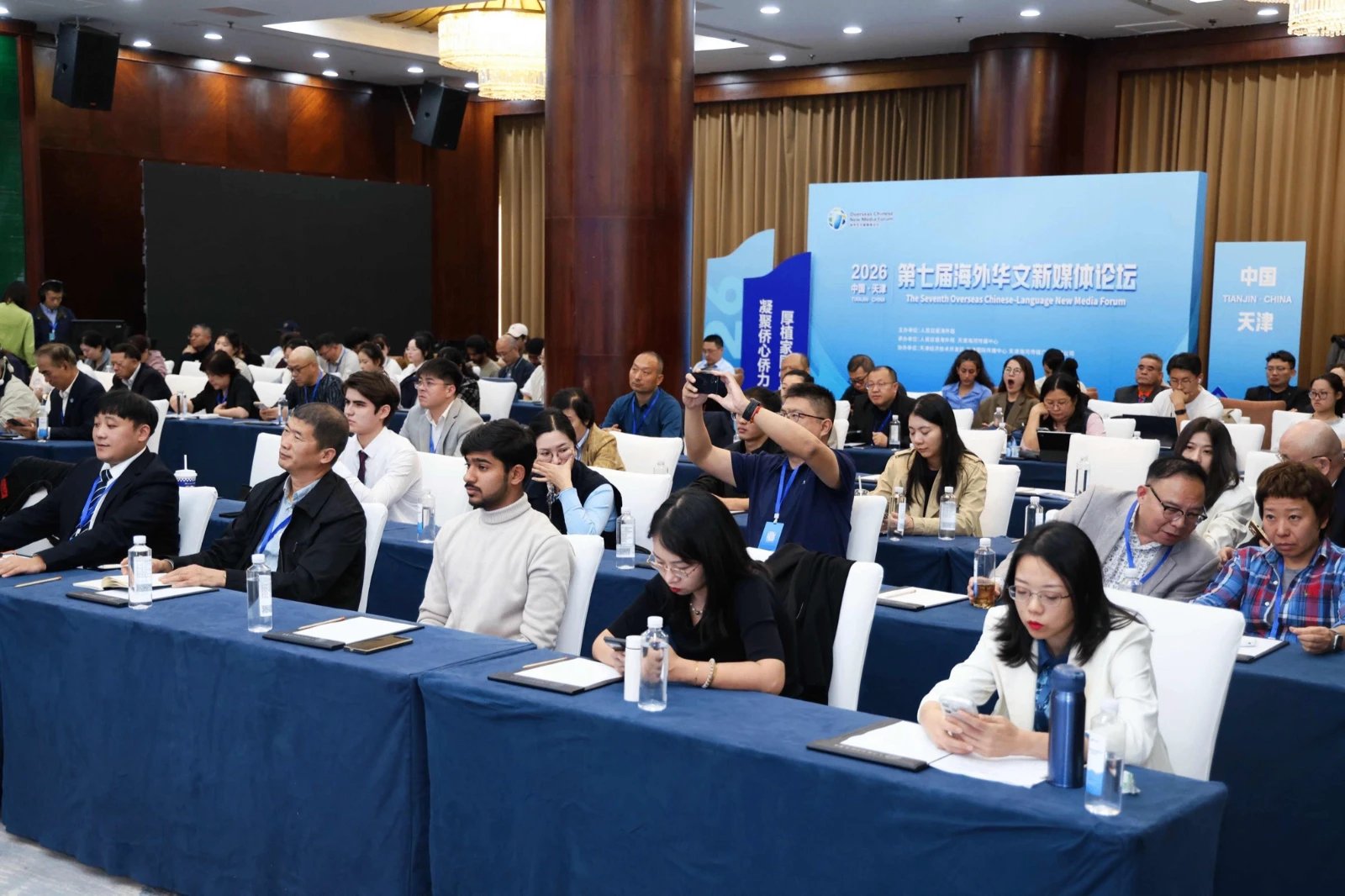
Photo: The scene at the Overseas Chinese New Media Sub-Forum. Overseas Network, photo by Xie Ming
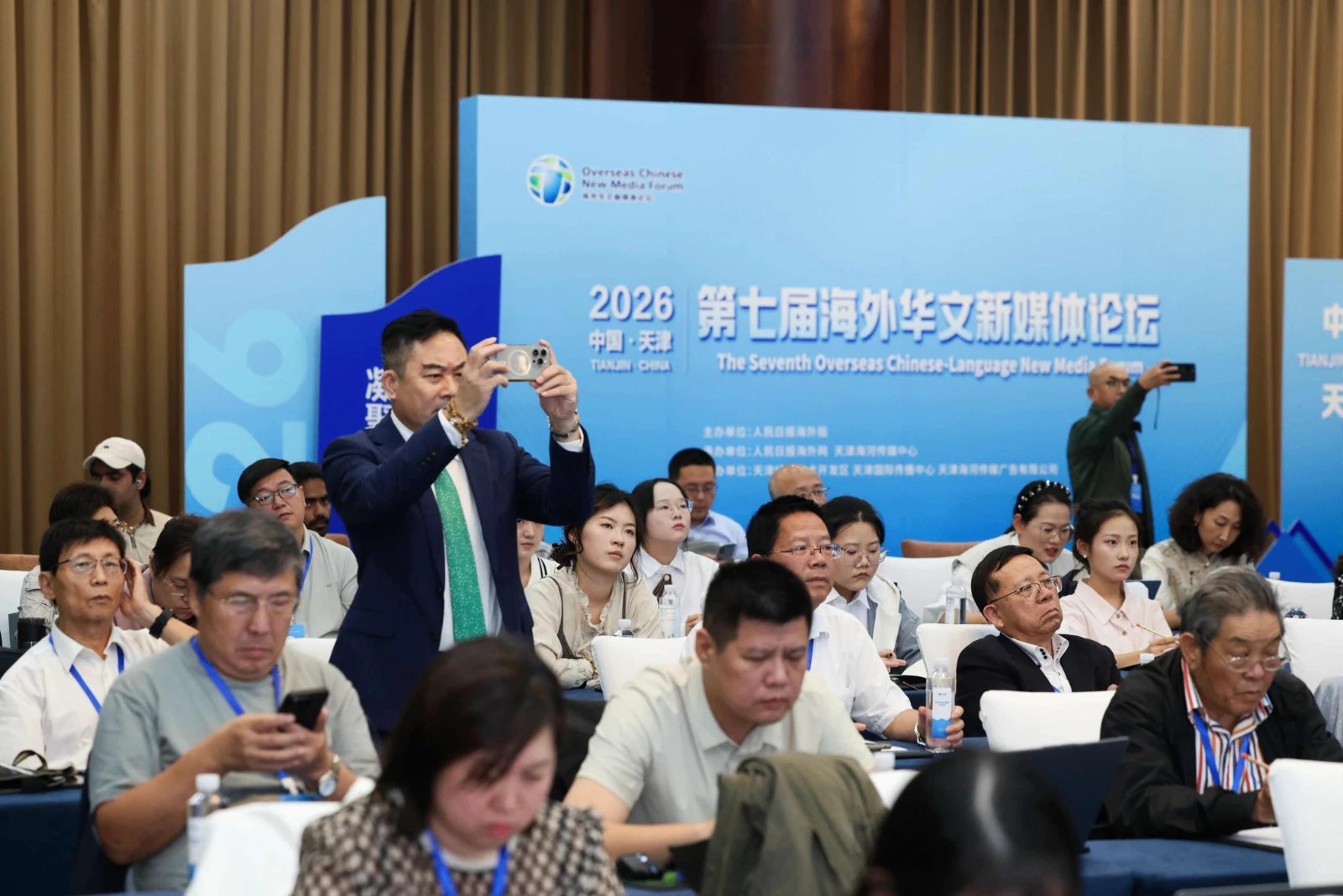
Photo: The scene at the Overseas Chinese New Media Sub-Forum. Overseas Network, photo by Xie Ming