
Back to feed
Economy
Linking Farmland to the World Through Futures: Overseas Chinese Media Tour Visits the Dalian Commodity Exchange
Reporter 王子龙
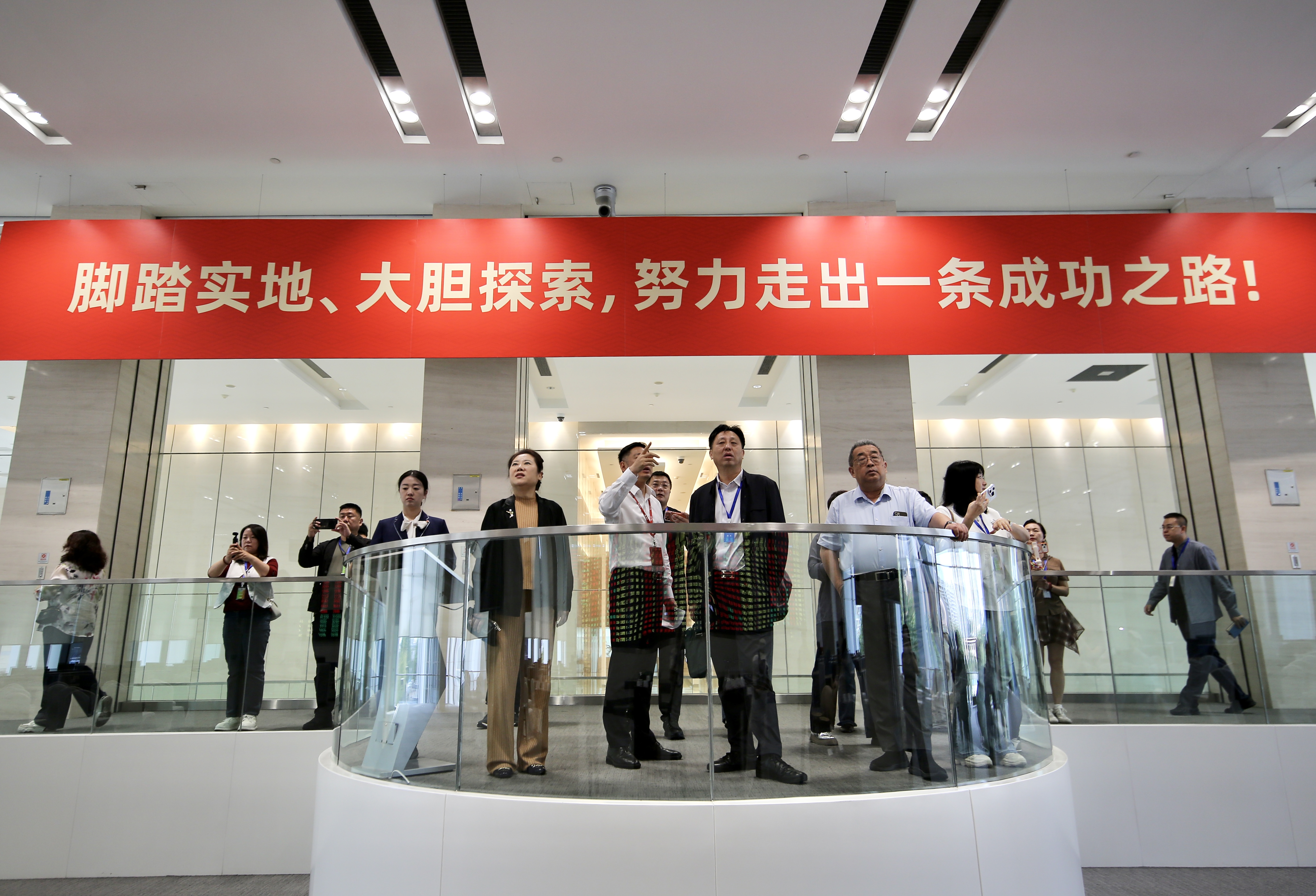
On September 17, the 2026 "Chasing the Chinese Dream, Discovering Liaoning" overseas Chinese-language media delegation visited the Dalian Commodity Exchange (DCE). Representatives from 17 overseas Chinese-language media outlets across 12 countries and regions, together with five central Chinese media outlets, toured Northeast China's only futures exchange, getting a close-up look at how the futures market links farmland to global trade.
Founded in 1993, DCE is one of China's earliest futures exchanges and remains the only one headquartered in Northeast China. Over more than three decades, it has grown into one of the world's largest agricultural futures markets while also wielding substantial international influence in industrial futures such as iron ore, with contracts spanning grains, oils and oilseeds, energy, chemicals, minerals and other bulk commodity categories.
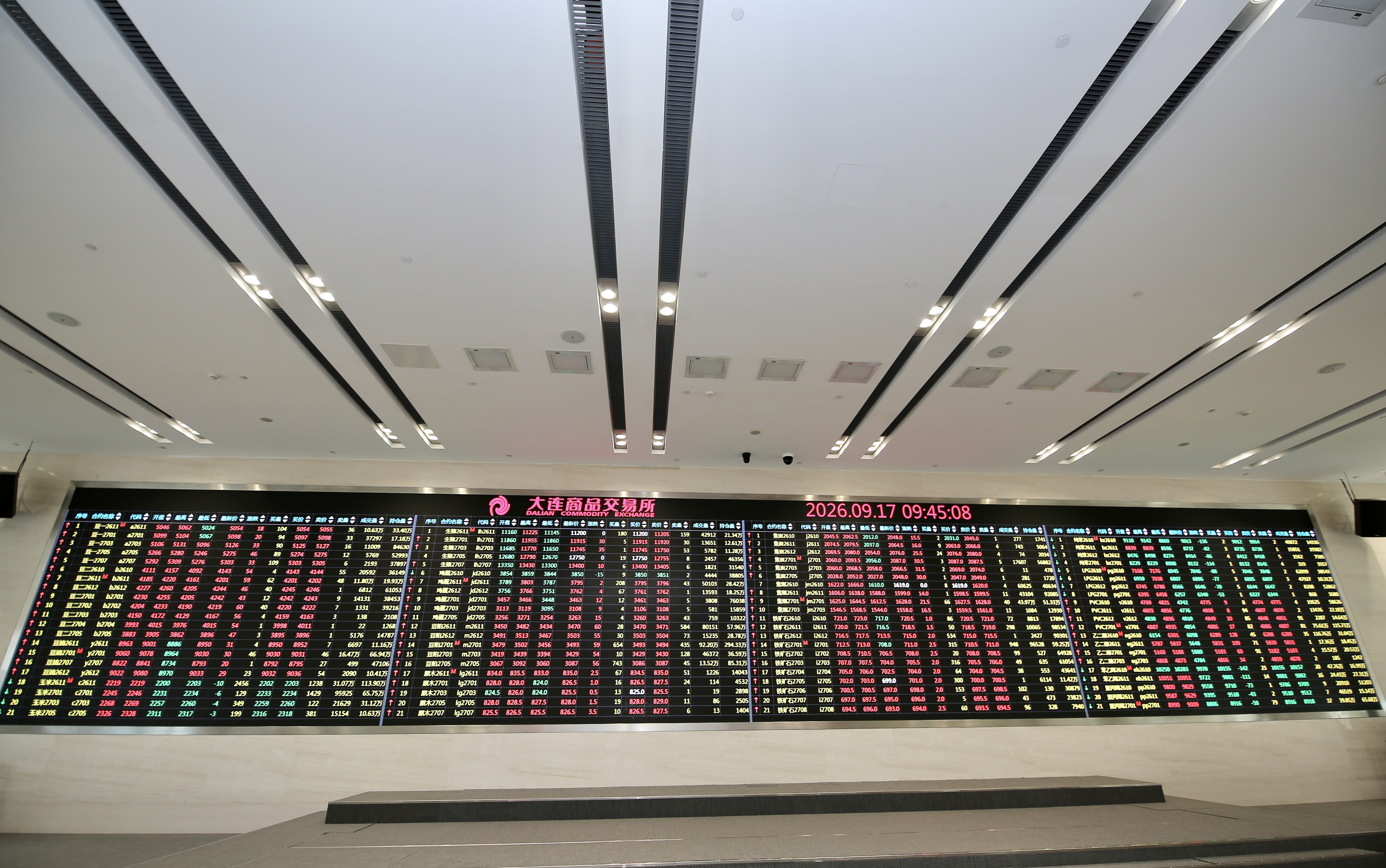
During the visit, the delegation learned about DCE's development history, trading mechanisms and the buildout of its product lineup. As a key hub linking domestic agricultural production with global commodity markets, the exchange connects on one end to Northeast China's vast agricultural production base, helping stabilize prices and secure supply for the grain industry, and on the other to global industrial supply chains, forming an internationally influential "Dalian price" that gives enterprises at home and abroad tools for price discovery and risk management.
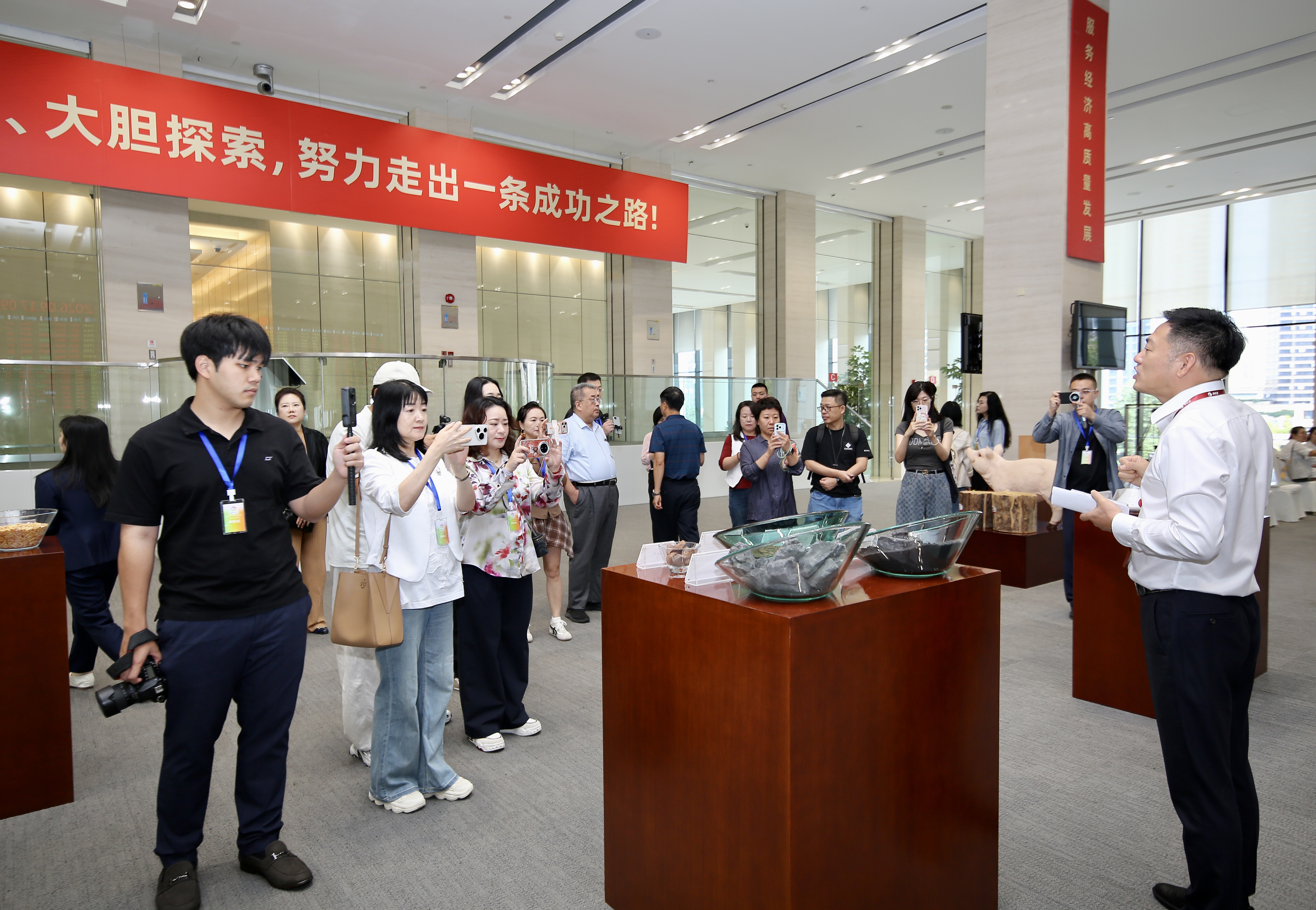
A DCE representative told the delegation that, drawing on futures, options and other diversified financial instruments, the exchange has in recent years deepened innovative models such as "insurance plus futures" to serve agriculture, farmers and rural areas — using market mechanisms to give farmers and agriculture-related enterprises price protection, tying grain production in the fields closely to modern financial markets, and effectively easing the business risk that price volatility poses to farmers.
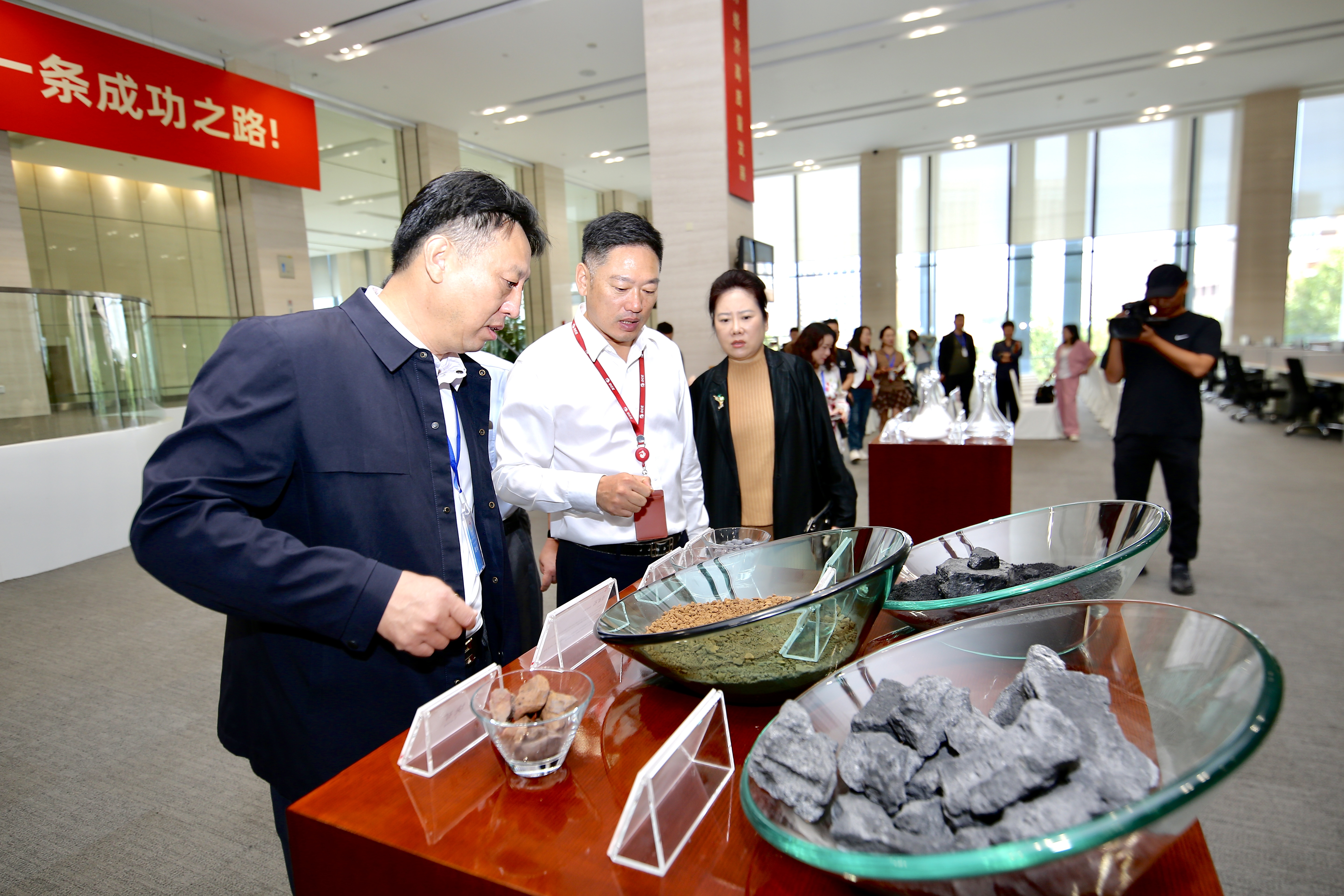
In the industrial sector, bulk-commodity futures such as iron ore serve heavy industry and foreign-trade supply chains more directly, giving trading firms at home and abroad a channel for hedging and helping commodity trade run more efficiently. DCE is accordingly seen as one of Liaoning's — and indeed Northeast China's — important financial windows for opening up and taking part in the global allocation of resources.
Several overseas Chinese-language media journalists said in interviews that their previous impression of Northeast China had mostly centered on manufacturing and agriculture, and that this visit gave them a direct look at how financial futures serve the real economy in practice. They said DCE, based in Dalian, radiates across Northeast China and connects to the world — safeguarding the security and stability of domestic industrial and supply chains while also providing an important market platform for economic and trade exchanges across the Asia-Pacific.
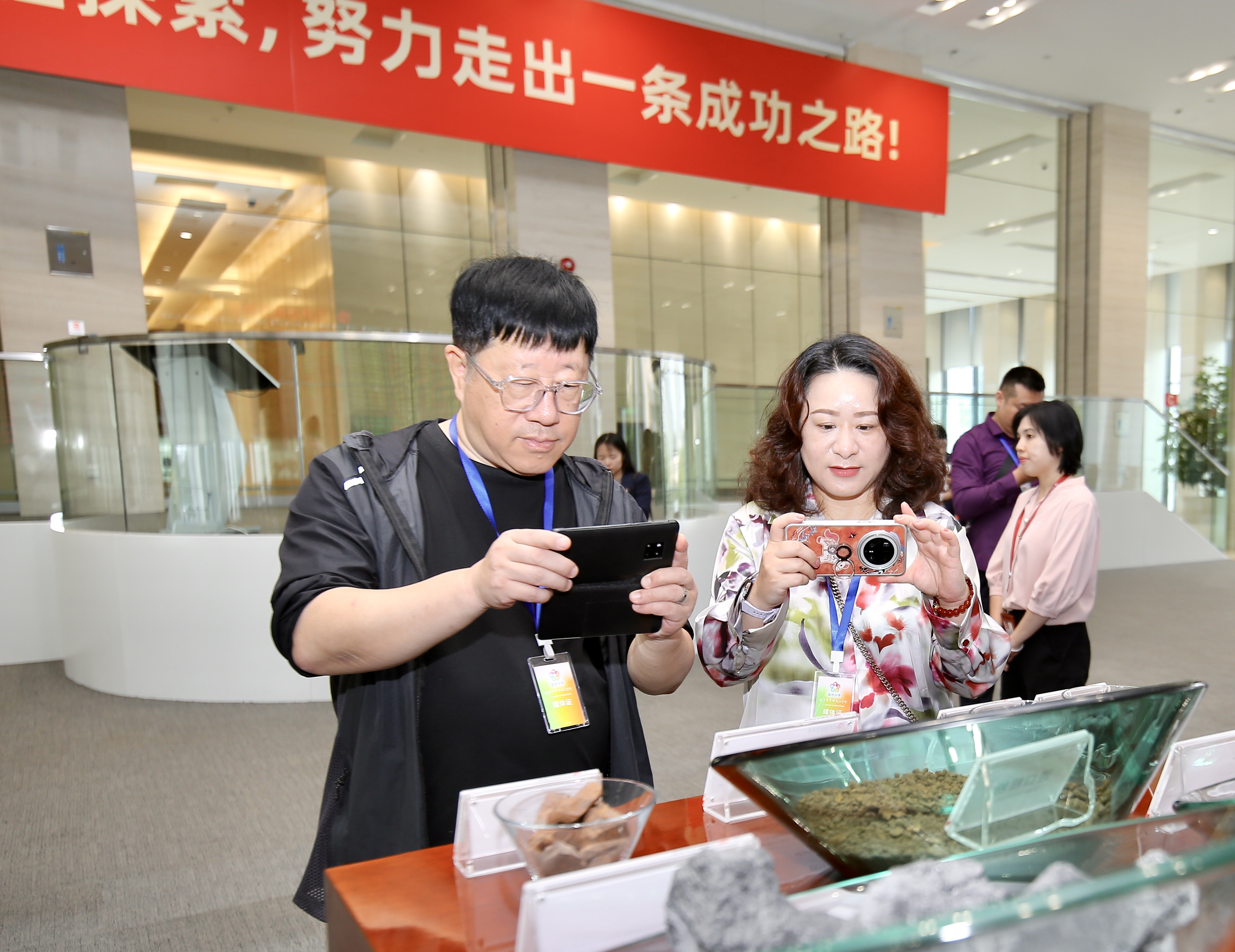
Delegation members generally agreed that overseas Chinese-language media play a distinctive bridging role in telling China's story and promoting economic and trade exchange between China and the rest of the world, and said they would turn what they saw and heard on this trip into coverage overseas audiences can relate to, carrying forward the story of how China's commodity markets serve the real economy and expand opening-up.
Looking ahead, DCE is understood to be working to strengthen the effectiveness of market oversight, improve its comprehensive risk-management systems, standardize and tighten regulation of trading conduct, and raise the quality of law-based supervision, while also opening more contract varieties to foreign participation, deepening cross-border business cooperation, and further building up the international influence of futures prices for key, mature contracts such as iron ore and soybeans — contributing to a higher level of open economic system.
